
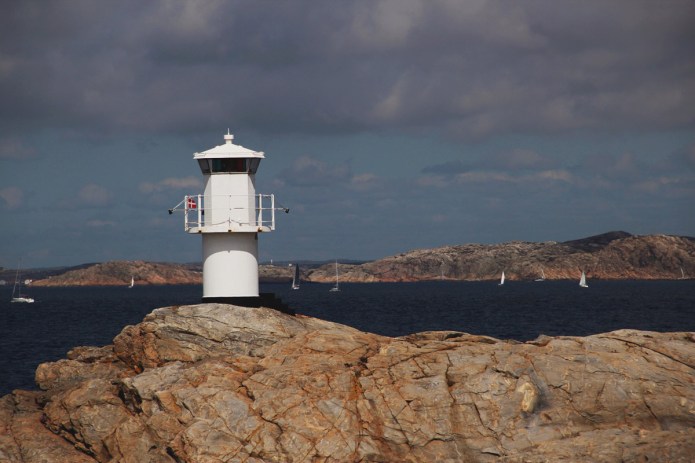
 “Allemansrätten.” It is a right granted to every citizen by the nation’s constitution. It is a part of every Swede’s identity. It resides deep in their cultural psyche. “Allemansrätten.” The word means “every man’s right.” It is the freedom to roam. It is the idea of land belonging to the public, a collective large-scale communal garden. It allows access to wander, camp, and forage on uncultivated or unpreserved property.
I am not a Swede, only visiting. Therefore, this permission is a privilege to me. “Allemansrätten.” I repeat the term while searching for rock pools. I whisper the word as I bypass cows scrutinizing me. I sing it floating in the chilly cove.
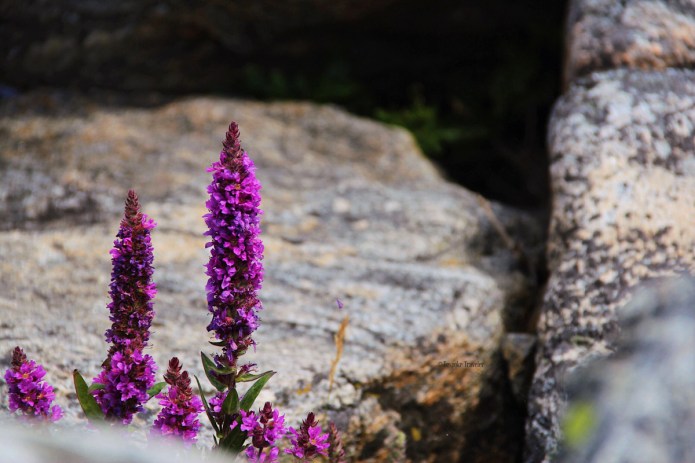 At its core “allemansrätten” is founded upon trust. Trust that such entitlement will be held responsibly, with tenderness. Trust that commercialism won’t abuse the ancient sanction. Trust that individuals will regulate themselves so that wildlife habitats are not disturbed or fragile countryside destroyed. It’s an endearing, idealistic faith in humanity. I benefit from such generosity — a fellow hiker recommends a lingonberry bush for its tasty fruit, a farmer invites me to cut through a paddock as a shortcut, a moored boater counsels me on pristine bays for swimming.
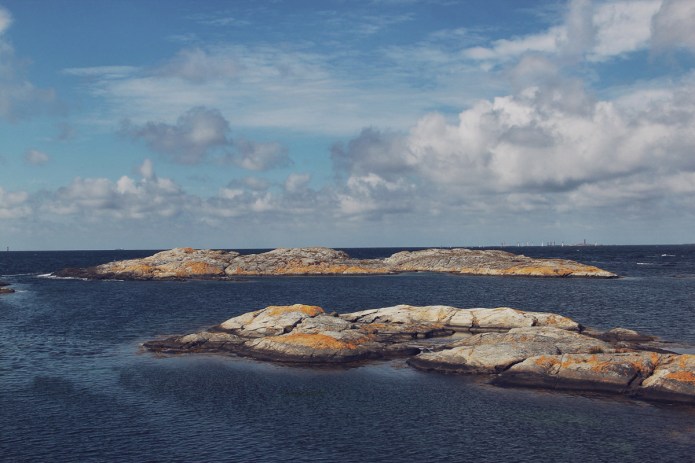 Cynic that I am, I wonder how long this credo will survive. Not all who traipse the wilderness abide by the unspoken rules of “allemansrätten.” How long will it be before used food containers whip past my face at the beach, smashed drink bottles lay underneath a boulder, cigarette burns fan into a brushfire, saplings wither from trafficked routes and overeager hands?
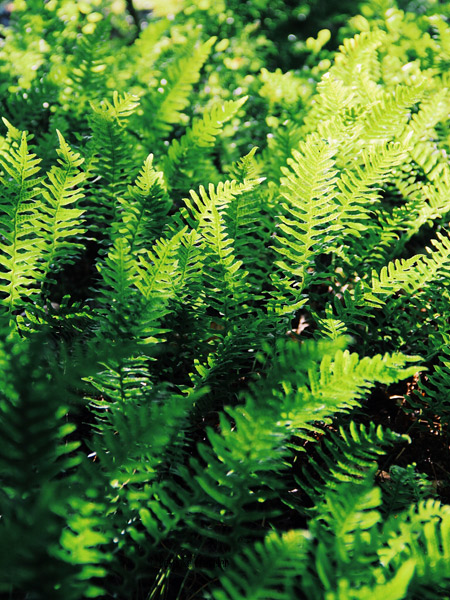 Companies have begun to harvest the forests for profit, due to increasing organic produce demands. Locals in resort towns complain that summer tourists are leaving rubbish for them to clean up. When will this corner change bit by bit as well? In another decade will there be railings along the cliffs with warning signs? Will trail markers indicate places not to tread? Will fences materialize to keep out “everyman”? Will the ultimate anathema to Swedes, no trespassing notices, become common decorations?
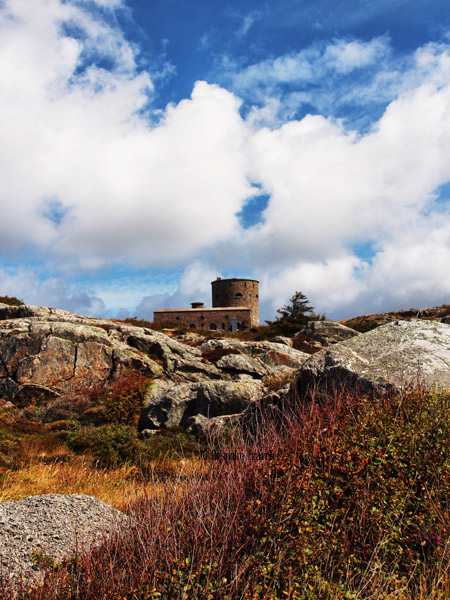 The ratio of people to space in Sweden is such that, at the moment, all can enjoy the liberty to rove. What happens, however, as travel democratizes, as we commodify, as our species swells into less trammeled tracts? At what point do our collective feet demolish the very expanses we seek? What will be the outcome of the conflict between our impositions and the planet’s ecosystem?
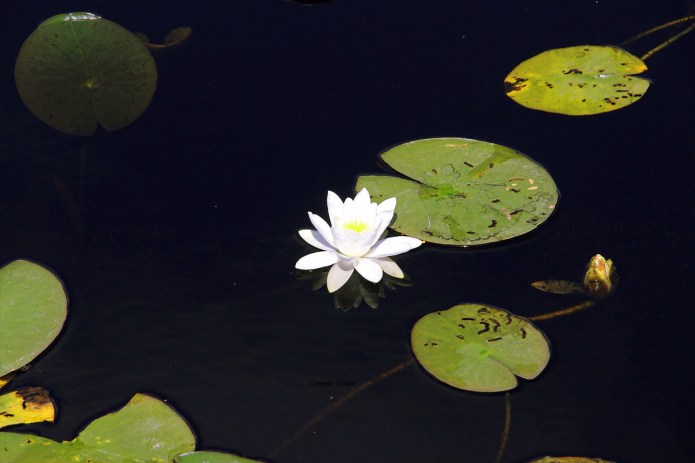 Is the concept of “allemansrätten” possible to maintain? Can we all go trampling anywhere? If not, who gets to and who doesn’t? Who decides this? How do we limit ourselves while granting each of us the right to wander the earth?
I remind myself of my duty while traipsing. I don’t give in to every pleasure. I’d like to be lazy, but I take out with me everything I bring in. I want to plunge through inviting portals, but stay on trodden paths as much as possible so as not to scar the ecology. I wish I could gorge on nature’s bounty. Instead, I observe rather than collect.
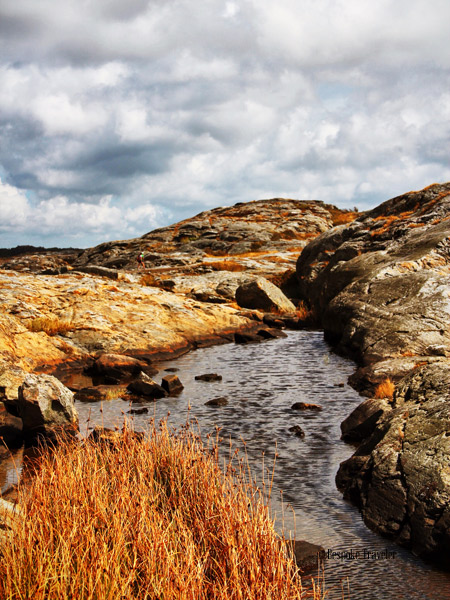 I even run after the errant napkin that got blown away from my picnic. I want desperately to believe that my small decisions will preserve the enchantment of golden light dripping through native dense canopy. I need to cling to the conviction that my little renunciations will guard the sanctity of silver cascades burbling within a grotto. I have to sustain faith that my mindful travels will extend to future generations the mystery of wilderness.
TRAVEL NOTE:
Leave No Trace offers educational programs to develop a population knowledgeable about outdoor ethics. To learn more about their initiatives, volunteer, or support their opportunities, check out lnt.org.
Do you think public lands can remain vital biodiverse spaces without limiting access?
I would also like to hear about responsible, sustainable, ecological tips you practice while hiking, camping, and being in rural spaces in the comments below.
Discover more from Bespoke Traveler
Subscribe to get the latest posts sent to your email.





 Bespoke Traveler
I’m glad you went after that napkin. It may seem small, but it’s important I think. I live in England now and am in a walking group that takes full advantage of the rules here that allow you to walk through private land like farmer’s fields, they are required to leave a footpath for you to do so. I love that you can do that in this country. It is important for us to stick to those paths though, it’s the respectful thing to do.
I’d like to think those small acts from each of us can add up to large positives.
In my opinion they do 🙂
Beautiful words and sentiment… let’s hope that the faith they have in humanity is well placed and just the presence of that faith makes people act with integrity and respect.
Thank you. I’m hoping the more we learn about the responsibilities that come with such freedoms the better we’ll be able to take care of our house, Earth.
I believe if everyone thought mindfully not only on their travels but in everyday life, what a difference it would make! These small steps only better our future generations. Great pics Atreyee.
Thanks, Lorelle. Mindful living is the key isn’t it? It really made a difference for me once I understood how my small everyday decisions affected the larger picture.
That’s right lovely. It makes a world of difference once we recognise this. Enjoy the rest of the week 😊
Thank you! Wishing the same for you! 🤗
What a beautiful concept “allemansrätten” is! I, like you, often ponder about how I travel, to be more mindful and considerate towards the local people, who have to live with what travelers, tourists, and holidaymakers leave behind. I believe that change is created by the accumulation of small acts.
I think the concept is made more beautiful because of the heavy responsibility that comes with it. I too, like you, believe that our individual little actions can add up to great changes of significance. Often it doesn’t seem true, but I like to keep faith in this idea.
I believe that if we each model the way and run after our napkins so to speak this can only help. Several of our articles have explored areas of over tourism and the effect on local people. As we share hidden gems I almost feel a sense of guilt that perhaps we will be bringing a wave of destruction. Meanwhile we can also our small bit as we leave no trace.
Oh, I too feel this guilt whenever I talk about lesser known places! I wonder if I should name them or post my best photos of them. I’d like to feature very tourist heavy destinations, focusing on ways in which they can mitigate destruction and ways for us all to enjoy them more mindfully.
I love Sweden. I have thought about the same questions you have raised here, and I don’t like my answers.
I hear you. I don’t like my answers, either.
Like you, I have a tendency to cynicism. I cannot understand how or why anybody thinks it is acceptable to throw out one’s trash and to leave it for someone else to clean up. I don’t know what it takes to create in everybody the awareness of nature’s sanctity, but in the end, it likely will happen one person at a time, provided there is enough time left.
I’d like to believe early education in stewardship of our planet will go far towards changing our was, but I don’t know if there is enough time left. Thanks for your perspective on this.
I would like to believe, too!
Love this post! Also loved Sweden, an amazingly pristine country. But density is so much less there vs so many other places that struggle with responsibility for eco-minded residents and tourists. And it seems once a single shoe drops there is no longer the same motivation. I too am a conscientious resident and tourist but have seen some very sad results of irresponsibility in my travels. Sigh, we must do our own parts no matter what happens around us. Photos are superb!
Thank you very much! The Scandinavian countries are lucky because density is so much less. I worry about what will happen as that changes. I wonder too if there is any responsible way to provide for the “needs” of tourists while maintaining ecology.
I wish more people abided by the Leave no trace credo. I live in the wilderness and I am constantly driven crazy by the stuff weekend visitors feel like they can just leave behind. Beautiful photos.
I’m so sorry to hear this about where you live! You know how Swedish locals in rural areas which are becoming popular with weekenders feel. Somehow the enjoyment falls to the tourists and the responsibilities fall upon the residents. I don’t know why this is true.
What a beautiful, thought-provoking post! I had never heard of this concept before. Perhaps it will continue working in Sweden if youngsters are raised to understand that with their right to roam comes the responsibility to be respectful of nature and others’ rights.
Thank you so much. I think this concept will only continue to work in Sweden (or anywhere else) if visitors are also taught that sense of responsibility. Otherwise it’s too much pressure on locals to maintain their neighborhoods.
What a lovely notion, Allemansrätten. I suppose it’s because of principles like this one that Sweden is such a beacon for good development, fairness and enlightened government! I suppose it might be endangered, yes, and at times unscrupulous people (or twats; you can’t eradicate twats!) will ruin the very idea of Allemansrätten, but I think that if it’s really deeply rooted into a community, it’ll sort of rub off everyone else. I see it in London, when random acts of kindness are so deeply engendered into everyone’s psyche that even foreigners like myself start behaving, and bring that good behaviour home with them. Yes, tonight I decide to be optimistic for a change!
Fabrizio
Haha, nice! You’ve made me feel all warm and fuzzy now. May your optimism bear fruit for our future.
What to say? It all seems so unequal somehow, doesn’t it? Some of us have the wherewithal to wander the world, careful and conscientious or otherwise. Some of us don’t. I’m tired of seeing litter in our hedgerows and on our beaches and yet I never leave it. Sometimes I pick it up but sometimes it seems an insurmountable task.
It does seem insurmountable, no? I felt bad for the locals having to pick up after tourist rubbish. Thank you for doing the same for your corner of the world.
I love Sweden myself, a very welcoming country, one of places I want to re-visit as often as I can. Thanks for the stunning photos that tell the beauty of the surroundings!
Glad you found Sweden to be a place you want to revisit as well!
What an interesting post, and I love learning a new word: Allemansrätten. I would like to believe that those who enjoy nature hold a certain reverence for it. “Leave all gates as you found it” is a common rule in rural areas throughout the world. I learned it as a child when camping, and as I’ve gotten older, environmental issues have only become more entrenched in our existence.
I live in a big city. The way we dispose of garbage, recycling, using products with less packaging, re-using and conserving, etc. is all part of daily life. It’s a mindset that should not be limited only to public spaces.
Environmental issues are part of the lexicon today, much more so than when I was growing up. Hopefully, this drives the conversation toward better treatment of the earth over all.
eden
Oh I do so hope that environmental ethics become a standard for the way we all operate! You put it so well when you said it should become “entrenched in our existence.”
Like you, I chase after errant napkins and stick to the already trodden paths. I’d like to believe that all land should be open access, but there are too many people about who think that being unobserved is a chance to create mischief: such as this last week’s devastating moorland fires in Greater Manchester. A townie, I’m working with the like-minded to eliminate particularly single use plastic where we live, in hopes that the greatest beneficiaries of this will be the waterways and oceans. But all of these are such small steps.
Thank you so much for working to eliminate single-use plastic in your region! The little fire of hope continues to burn for me with “such small steps” but gets crushed with each sad news about the overwhelming odds we fight against.